
Why Phuket Beats Bangkok for Expat Property Investors
By The Eight Co. | May 2026 | 9 min read | UK Property Investment
The Reflex Everyone Needs to Resist
When British expats in Thailand start thinking about buying property, the first instinct is almost always Bangkok. It makes sense on the surface. You live there. You know the BTS line. You have a favourite coffee shop in Thonglor. The Sukhumvit corridor feels familiar, and familiarity breeds confidence.
But familiarity is not an investment thesis.
The data coming out of Thailand's property market in 2026 tells a story that most casual observers have not fully absorbed and it is a story that runs directly against the Bangkok default. While the capital's residential market is sliding into oversupply, price contraction, and compressed yields, Phuket is experiencing something fundamentally different: sustained foreign demand, rising prices, diversifying buyer demographics, and rental yields that make most global property markets look pedestrian.
This is not a tourism-cycle argument. It is not about sunsets and pool villas. It is about where the structural opportunity actually sits for an expat investor who wants income, capital growth, and a legal ownership structure that works.
Let us be specific.
The Bangkok Problem: Oversupply, Flat Prices, and a Domestic Market Under Pressure
235,000 Unsold Condos
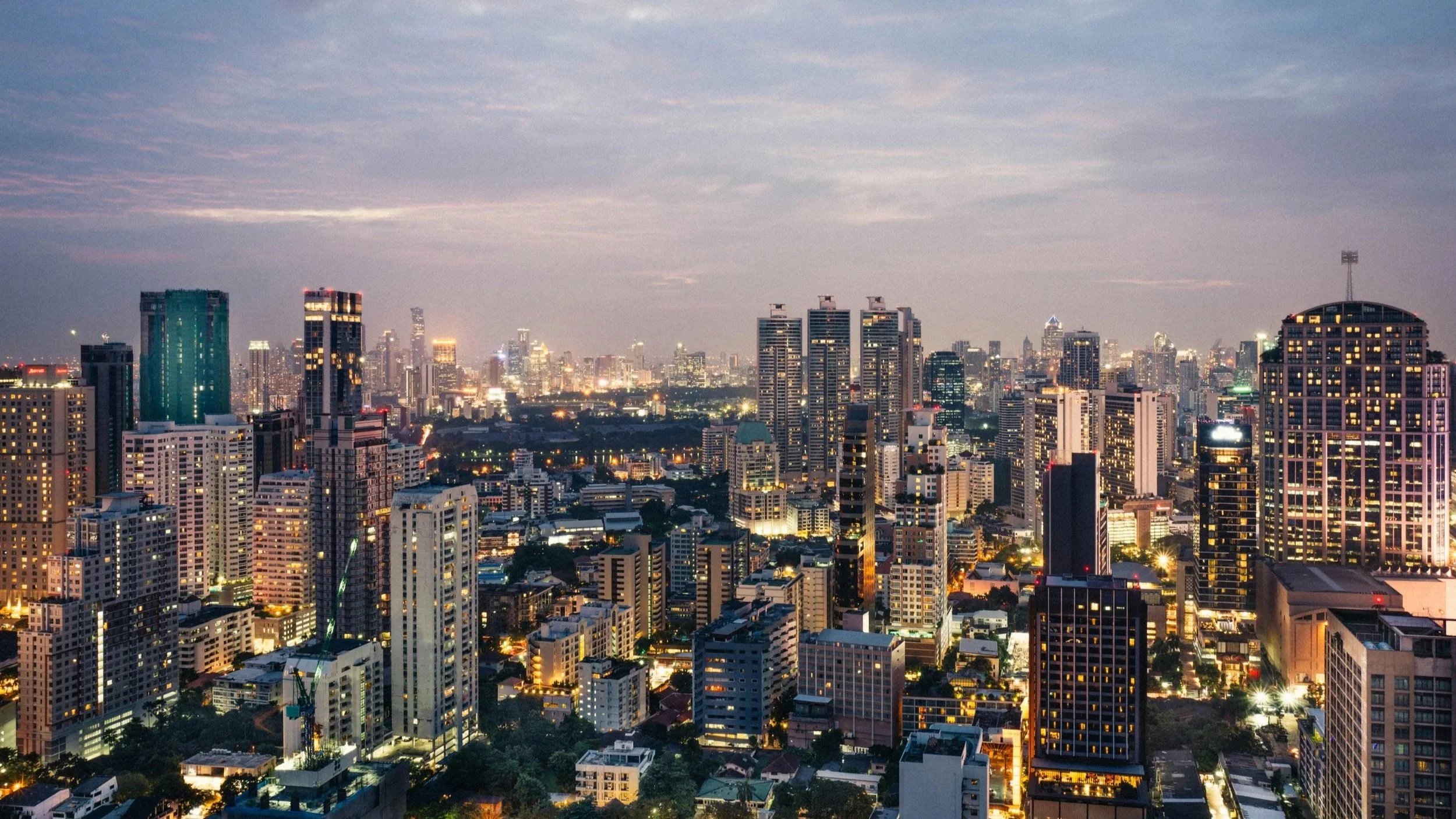
That is the number that defines Bangkok's residential market heading into 2026. The capital ended 2024 with approximately 235,000 unsold condominium units, a stock overhang that developers are still working through. To put this in perspective, that represents years of absorption at current transaction rates.
The consequences are predictable and already visible. Developers are making selective downward price adjustments to attract buyers. Bangkok condominium prices were broadly unchanged year-on-year in early 2026, with single-detached house prices falling by over 2%. The capital and its vicinity shifted into mild contraction of -0.70% year-on-year , while the South of Thailand (where Phuket sits) recorded the strongest regional gains at nearly 4%.
The Domestic Headwind
Bangkok's property market is disproportionately dependent on Thai domestic buyers — and the domestic picture is challenging. Mortgage rejection rates for properties under 3 million baht reached 40% in late 2025. Household debt remains elevated. Purchasing power among middle-income buyers is constrained.
For the foreign investor, this creates a market dynamic that sounds counterintuitive but is important to understand: Bangkok has plenty of expatriate rental demand (over 103,000 foreigners in the capital province), but the sheer weight of unsold supply means you are competing against thousands of other units for tenants, and your pricing power is limited.
Bangkok condo yields typically sit around 5% in prime CBD and Sukhumvit locations. That is respectable — but it is not exceptional, and it comes with the risk of a market where developers continue to launch new stock into an already saturated pipeline.
The Rent Inflation Reality
Here is a number that rarely makes it into the marketing brochures: actual rent inflation in Thailand, as measured by the consumer price index, registered at just 0.36% year-on-year in January 2026. In Bangkok, that pressure is even more pronounced — high-end properties popular among foreigners show stronger dynamics, but the broader market is flat.
If your investment thesis relies on rents growing materially over your hold period, Bangkok in 2026 does not provide the evidence base to support that assumption.
The Phuket Case: Why Every Metric Points in a Different Direction
Price Growth Phuket Is Outpacing Bangkok
While Bangkok's prices contracted, Phuket's trajectory moved in the opposite direction. Analysts forecast that Phuket could achieve 8–10% annual price growth through 2026, outpacing Bangkok's projected 5–7%. Colliers Thailand went further, presenting research showing that Phuket residential prices are forecast to reach Bangkok levels by 2026 — a convergence that would have seemed implausible even three years ago.
That convergence is being driven by constrained supply (limited beachfront land, tightening zoning), sustained foreign demand, and a diversifying buyer base that has moved well beyond the Chinese-buyer concentration of previous cycles. Russian, Australian, Indian, European, and British buyers are all active in Phuket's premium segments, creating a more resilient demand profile than any single-nationality dependency could provide.
Rental Yields A Structural Advantage
This is where the Phuket case becomes difficult to argue against on pure numbers.
Short-term rental yields in Phuket's prime west-coast locations — Bang Tao, Layan, Cherngtalay — are currently delivering 8% to 15% annually for well-managed pool villas and luxury condominiums. Long-term rentals typically produce 6–8%.
Compare that with Bangkok's 4–5% long-term rental yields, and the income gap is significant. Over a five-year hold, the compounding difference between a 5% Bangkok yield and a 10% Phuket yield — applied to a property of equivalent value — is substantial.
The key qualifier is well-managed. Phuket's rental returns are not evenly distributed. They concentrate in developments with professional hotel-style management, strong online booking infrastructure, and a location within the established tourism corridors. This is precisely why developer quality and management integration matter more in Phuket than in any other Thai market.
Occupancy, The 12-Month Destination
The traditional knock against resort property investment — seasonality — is becoming less relevant in Phuket year on year. Average occupancy in prime west-coast zones now holds steady at 75–80% year-round, driven by three structural shifts.
First, Northern European "snowbirds" are staying on the island for extended periods — six to twelve months — rather than the traditional two-week holiday stay. This creates a long-stay rental segment that behaves more like residential demand than tourism.
Second, the digital nomad and remote-worker population has expanded significantly. These are tenants who rent for months at a time, use the property as a genuine home base, and return season after season.
Third, Phuket's international school network — 18 schools including the British International School (BISP) and UWC Thailand — has anchored a growing population of expatriate families who need housing on a 12-month cycle. Properties within a 15-minute drive of these campuses have seen rental rates increase by 15% as families prioritise school proximity over beachfront.
Where the Developers Are Putting Their Money
Perhaps the most telling signal is where Thailand's largest, most sophisticated developers are directing capital. While Bangkok launches moderate in response to oversupply, major Bangkok-based developers are expanding aggressively into Phuket. Sansiri alone has announced plans to launch 20 projects worth 24 billion baht on the island over three years. AssetWise is planning six new projects worth over 10 billion baht in 2026 alone.
These are not speculative bets by small operators. These are publicly listed, institutionally backed developers who have run the numbers on every market in Thailand — and they are choosing Phuket.
When the people with the most data and the most at stake are all moving in the same direction, that is a signal worth paying attention to.
The Five Reasons Bangkok Feels Safe but Isn't the Best Investment
1. Familiarity Is Not Due Diligence
You know Bangkok because you live there. But the neighbourhood you enjoy living in and the asset class that will generate the best risk-adjusted return are two different things. Investing where you live is a convenience decision, not a financial one.
2. Oversupply Compresses Your Pricing Power
With 235,000 unsold units in Bangkok, every landlord is competing for the same tenant pool. Your ability to raise rents, reduce vacancy, or sell at a premium is structurally limited by the weight of available alternatives.
3. Domestic Economic Headwinds Affect Your Exit
When you eventually sell, Bangkok's buyer pool is majority-domestic. If Thai household debt remains elevated and mortgage rejections stay high, your exit liquidity depends on a constrained domestic market — not the global buyer base that underpins Phuket demand.
4. Yields Are Capped
A 5% gross yield in Bangkok CBD is the ceiling in most realistic scenarios. After management fees, vacancy, and maintenance, your net yield is lower. Phuket's yield range — 8–15% in prime short-term rental locations — offers a fundamentally different income profile.
5. Capital Growth Has Stalled
Bangkok condo prices were flat to negative in 2025–2026. Phuket recorded 8–10% growth in the same period. Over a five-year hold, that divergence compounds into a material difference in total return.
What Makes Phuket Work for Expat Investors Specifically
Freehold Condominium Ownership
Foreign nationals can own condominiums in Thailand outright under freehold title, subject to a 49% building-level foreign ownership quota. In Phuket's premium developments — particularly those marketed internationally with professional management — these allocations are actively maintained and available.
For villa purchases, leasehold structures (typically 30 years, renewable) or Thai company arrangements are the standard route. The legal framework is well-established, but proper due diligence on title and structure is essential — and this is where working with an experienced advisory partner pays for itself many times over.
The Visa-Property Connection
The Destination Thailand Visa (DTV) and the Long-Term Residence (LTR) Visa have changed the calculus for property buyers in Phuket. Investors purchasing condos at or above the 3 million baht threshold can use the investment as a residency anchor — creating a legal basis for extended stays without the annual visa uncertainty that previously constrained the expat ownership model.
For British expats already based in Southeast Asia, this combination of freehold ownership, residency pathway, and high-yield rental income makes Phuket property a fundamentally different proposition from the Bangkok condo-as-investment-only model.
Infrastructure Is Catching Up
One of the historical concerns about Phuket — infrastructure lagging behind the island's growth — is being addressed with real capital. The government's transport plan includes light-rail links for Phuket, the Kathu-Patong tunnel is in its active construction phase, Highway 4027 is being widened, and Phuket International Airport is expanding toward an 18-million-passenger annual capacity.
Colliers tracks 15 infrastructure projects across Phuket scheduled through 2033, including the airport expansion completion in 2027, the Andaman Ring Ports in 2027, and a light rail Phase 1 in 2027.
These are not aspirational announcements. They are funded, in-progress capital projects that will reshape accessibility, reduce travel times across the island, and unlock inland areas for development — the same pattern that transformed property values along Bangkok's BTS and MRT lines over the past two decades.
Where to Buy in Phuket: The 2026 Heat Map
Not all of Phuket is created equal. Pricing, yields, and capital growth vary dramatically by micro-location.
Bang Tao & The Laguna Corridor
The established gold standard. A 1,000-acre self-contained ecosystem with beachfront, golf, wellness facilities, and the highest concentration of internationally managed rental properties. Lower risk, steady 5–7% yields, and strong capital preservation. This is where conservative investors start.
Cherngtalay
Accounted for 56% of villa supply in 2025 and has become the primary destination for long-stay buyers and lifestyle investors. Luxury villas priced from 30–50 million baht represent the market's sweet spot. Capital growth has been among the strongest on the island.
Layan & Naithon
The "New North" — benefiting from proximity to the Bumrungrad International Hospital (opening late 2026), airport access, and new road infrastructure. Earlier in its development cycle than Bang Tao, with stronger capital appreciation potential and growing rental demand.
Inland Thalang & Pasak
Previously discounted due to traffic constraints, these areas are being re-rated as the Kathu-Patong tunnel and highway widening projects progress. Entry prices remain lower than the west coast, offering a value play for investors willing to take a three-to-five-year view.
What The 8co Sees in Phuket
At the 8co we do not list everything. Only the right things.
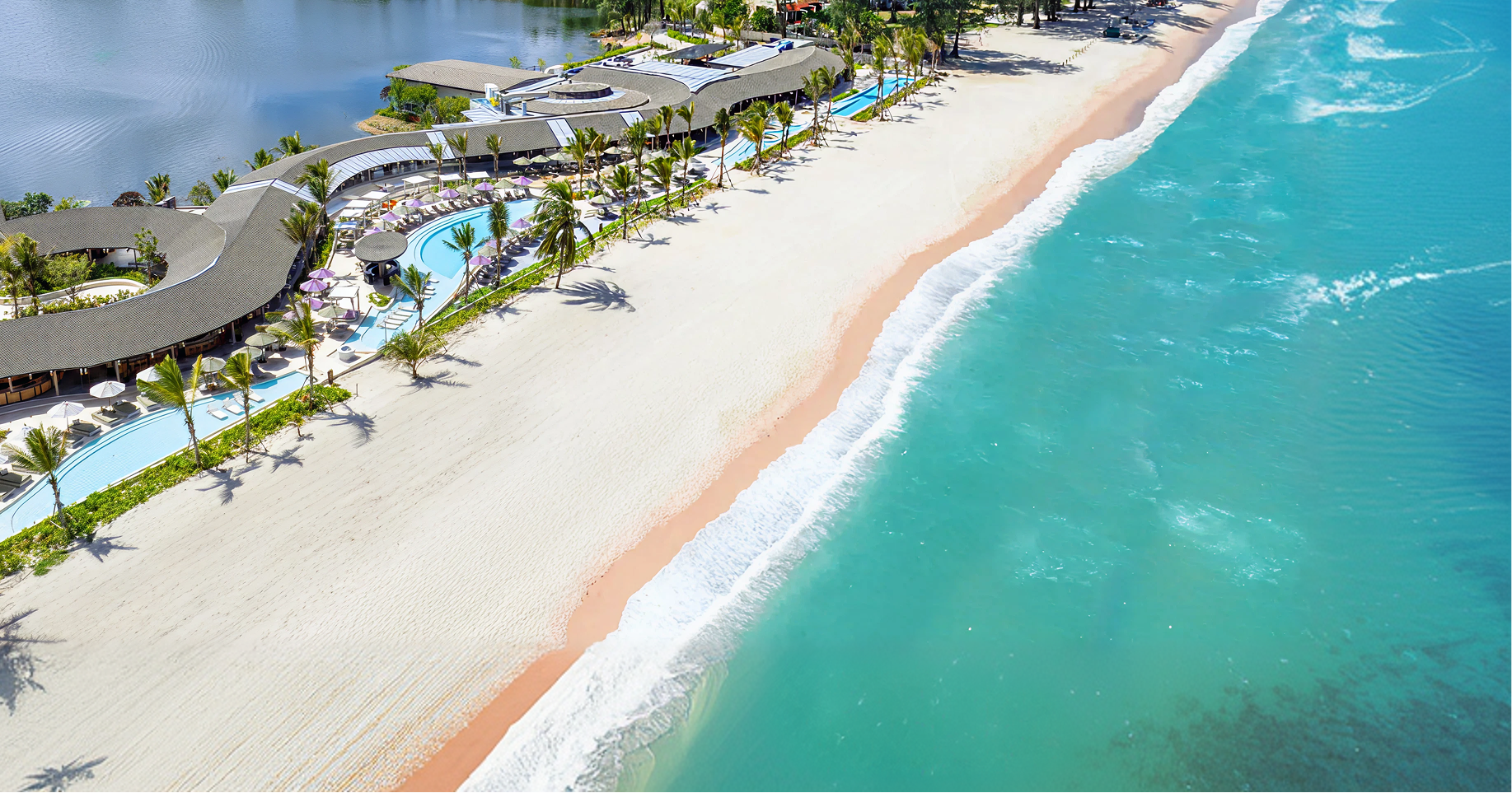
In Phuket, that means developments where the management infrastructure, legal structure, rental track record, and developer credibility have all been independently verified. Developments like Bellaguna (https://www.the8co.com/developments) situated within Phuket's established west-coast investment corridor represent the type of asset where yield, lifestyle, and ownership security converge.
For British expats across Southeast Asia considering their first Thailand property purchase, the instinct to default to Bangkok is understandable. But the data in 2026 does not support it.
Phuket is not a holiday purchase dressed up as an investment. It is, by every measurable metric yield, price growth, developer confidence, infrastructure investment, buyer diversification the stronger asset class in Thailand right now.
The question is not if you should look at Phuket. It is whether you will act while the pricing still reflects the island's past reputation rather than its present trajectory.
Frequently Asked Questions
Can foreigners buy property in Phuket?
Yes. Foreign nationals can own condominium units under freehold title, subject to a 49% building-level foreign ownership quota. Villa and landed property ownership requires leasehold structures (typically 30 years, renewable) or Thai entity arrangements. Proper legal advice is essential.
What rental yields can I expect in Phuket?
Short-term rental yields in prime west-coast locations range from 8–15% annually for professionally managed properties. Long-term rentals typically deliver 6–8%. Returns depend heavily on location, management quality, and occupancy rates.
Is Bangkok a better investment than Phuket?
In 2026, the data favours Phuket. Bangkok is contending with 235,000 unsold condo units, flat-to-negative price growth, and yields capped at around 5%. Phuket is recording 8–10% annual price growth, higher rental yields, and sustained foreign demand. Bangkok offers stability and year-round tenant demand, but Phuket offers materially better returns for investors who select the right developments.
What visa do I need to buy property in Thailand?
You do not need a specific visa to purchase property. However, the Destination Thailand Visa (DTV) and Long-Term Residence (LTR) Visa offer residency pathways linked to property investment, making Phuket ownership a dual lifestyle-and-investment proposition.
Is Phuket property seasonal?
Occupancy in prime locations holds at 75–80% year-round. While May–October is traditionally low season, long-stay snowbirds, digital nomads, and expat families provide increasingly stable demand beyond the peak tourist months. Hotel-managed developments smooth seasonal variation through professional yield management.
How do I manage a Phuket property from abroad?
The most effective approach is to invest in developments with integrated hotel-style management, where the operator handles bookings, maintenance, guest services, and yield optimisation. This is the model used by the premium developments available through The 8co's network.
Ready to Make the Move?
The 8co connects British expats across Southeast Asia, the Middle East, and beyond with vetted, pre-market property opportunities in Phuket and the UK's strongest growth regions.
Request a Free International Portfolio Consultation today. We'll discuss your specific situation, timeline, and goals with no pressure, no sales pitch, just expert guidance.
Bangkok will always feel familiar. Phuket is where the returns are.
Disclaimer: The information provided in this article is for informational and educational purposes only and does not constitute legal, financial, or investment advice. While we strive for accuracy, property laws and tax regulations in the UK, Thailand, UAE and Bali are subject to frequent changes. Readers are strongly advised to conduct their own due diligence and consult with qualified legal and financial professionals in each respective jurisdiction before making any investment decisions. The 8Co and the author assume no liability for any actions taken based on the content of this guide.